How Dangerous Are Microplastics?
Microplastics are inescapable as part of modern life. Almost every method of packaging and containing involves plastics to a degree. Science is only discovering the symptoms of microplastic exposure in the bloodstream
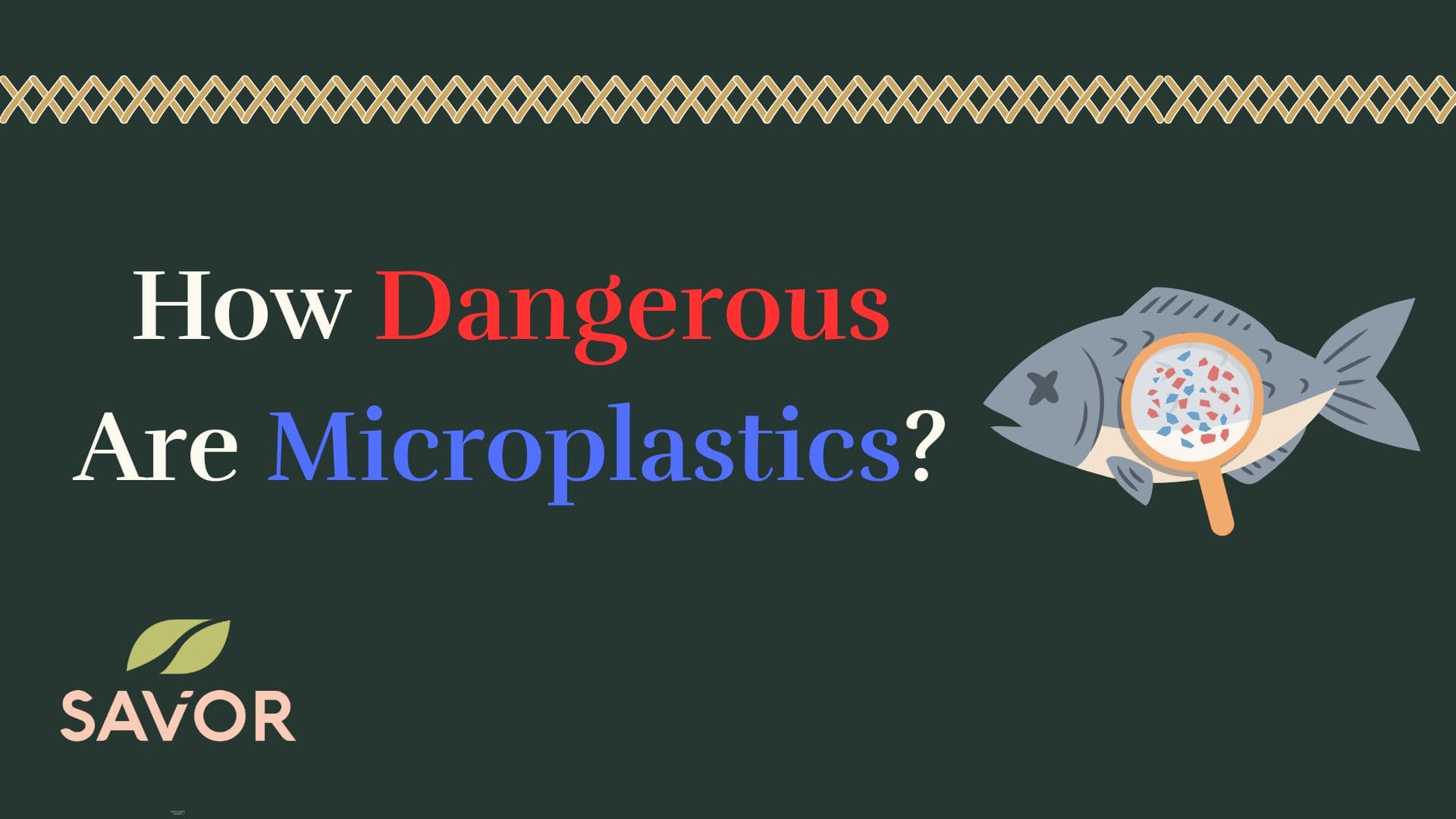
How Dangerous Are Microplastics?
Microplastics are inescapable as part of modern life. Almost every method of packaging and containing involves plastics to a degree. Science is only discovering the symptoms of microplastic exposure in the bloodstream
Let us find out how microplastics impact our health.
They’re Everywhere!
Research has found that microplastics are ubiquitous in our bodies, found in almost every bodily fluid you can think of. From saliva to blood to even breast milk, even in our organs and brain!
This makes finding a control group that hasn’t been exposed to microplastics difficult.
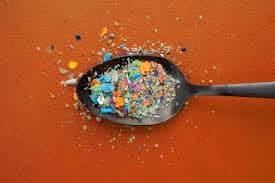
Brain Function
Studies show that people suffering from dementia were found to have 10 times more microplastics in the brain prior to death than those without the condition. This highlights how dangerous microplastic accumulation can be
These particles cross the blood-brain barrier and interfere with normal brain processes. While researchers are still figuring out whether microplastics directly cause dementia or simply accumulate more in brains affected by the disease, the dramatic difference in concentration suggests these particles play a role in neurological decline.
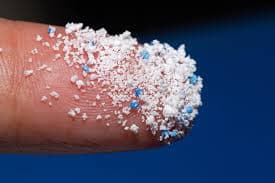
Cardiovascular Disease
Scientists in China found that those who had a buildup of microplastics in the plaques of the carotid arteries were 4.5 times more likely to develop stroke, heart attack or sudden death.
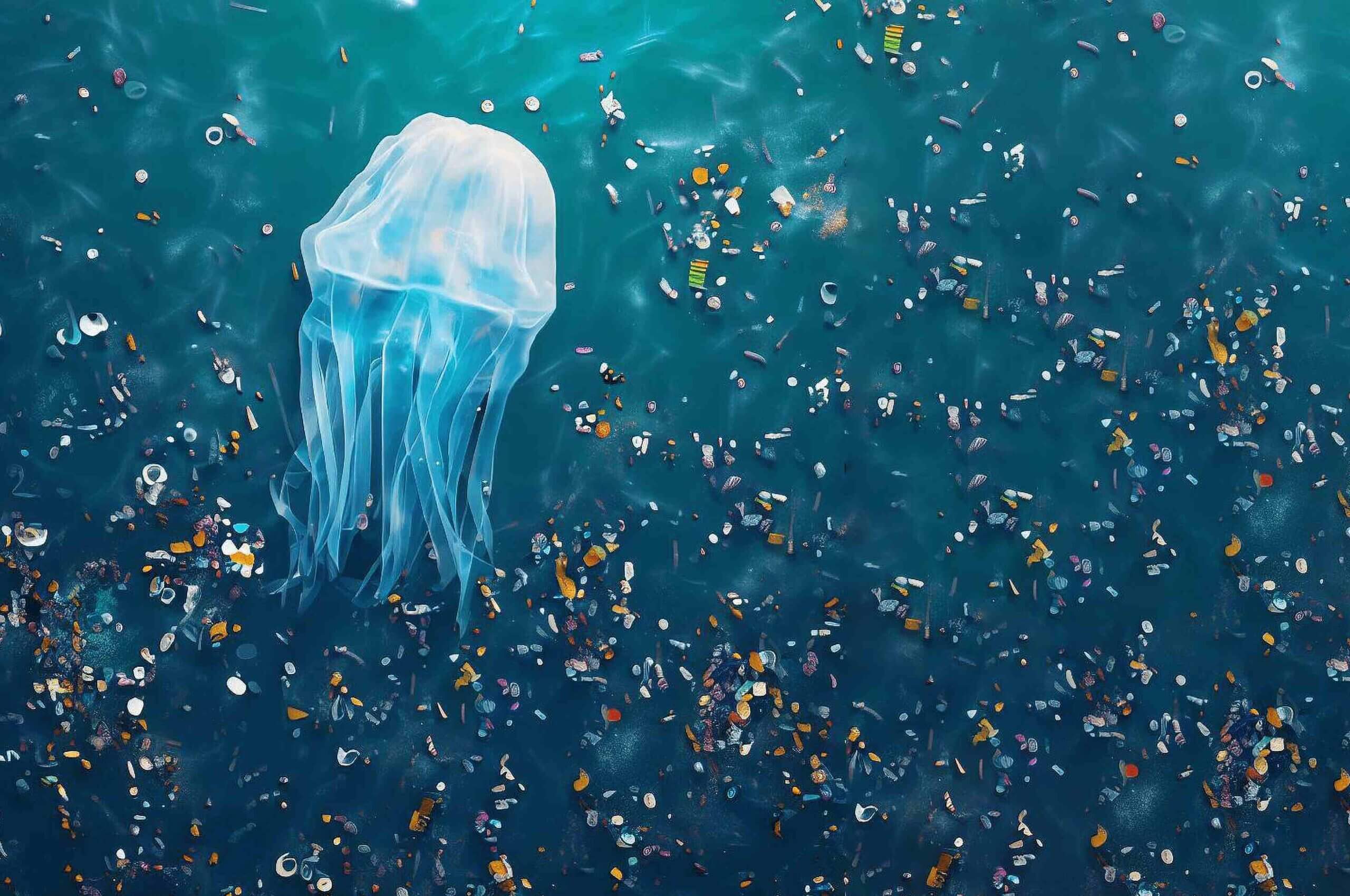
Inflammation
Chronic exposure to microplastics was found to worsen inflammation symptoms as well as lead to metabolic disorders.
This persistent inflammation can contribute to a range of health problems including insulin resistance, fatty liver disease, and disrupted hormone function. The metabolic disruptions caused by microplastic exposure may help explain rising rates of conditions like Type 2 diabetes and obesity, though more research is needed to establish definitive causal links.
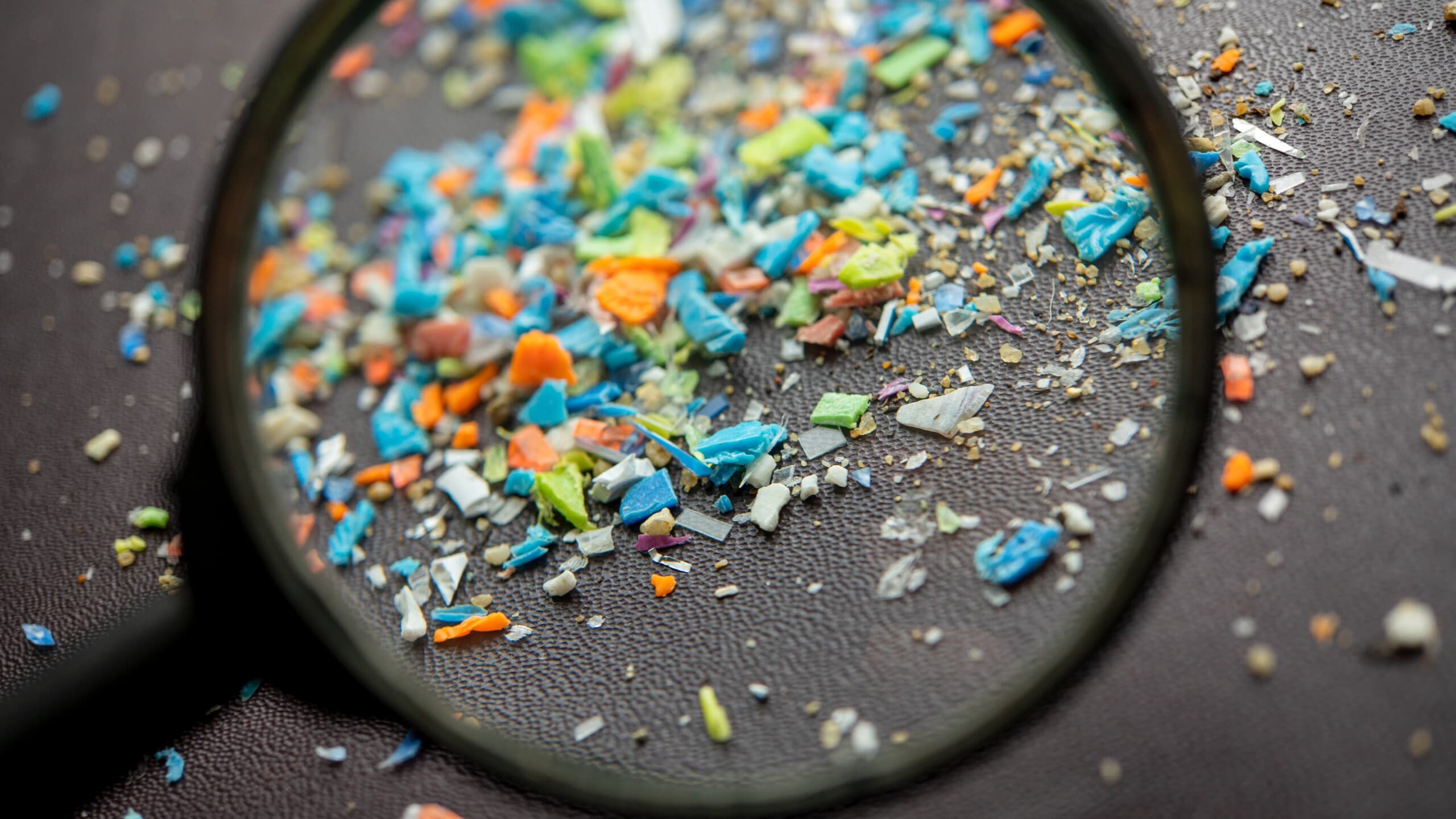
What Can We Do About It?
While microplastics are impossible to avoid entirely, researchers emphasize that reducing exposure is within reach. The solution requires action at both individual and systemic levels.
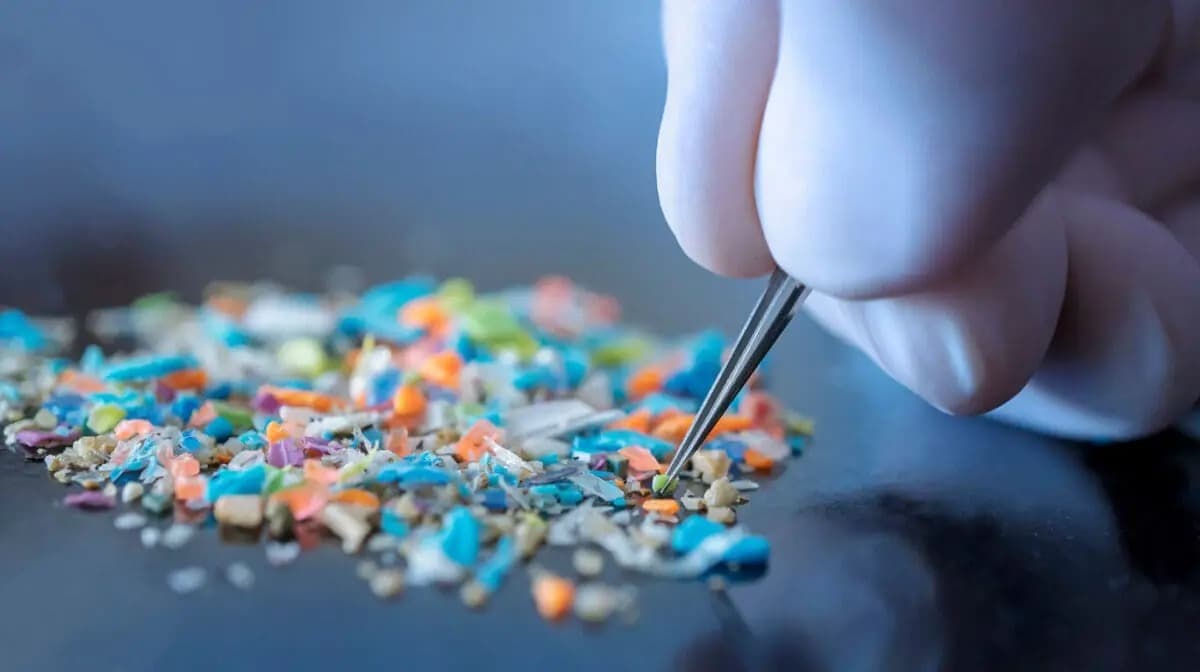
Personal Protection Strategies
Experts recommend reducing the use of single-use plastics as much as possible to protect your health. Simple changes can make a significant difference: bring reusable bags when shopping, choose glass or stainless steel water bottles over plastic ones, and store food in glass containers rather than plastic. Heating plastic containers in the microwave can release millions of microplastic particles into food, so opt for microwave-safe glass instead.
Your clothing choices matter too. Up to 1.5 million microfibers can be released per kilogram of clothing during a single wash. Washing synthetic clothes less frequently and using a laundry bag designed to catch fibers can help reduce the amount entering waterways—and eventually, the food chain.
Home water filters can be effective at reducing microplastics from drinking water, offering another layer of protection. Consider switching to alternatives like wooden or glass cutting boards, as plastic ones shed particles during use.
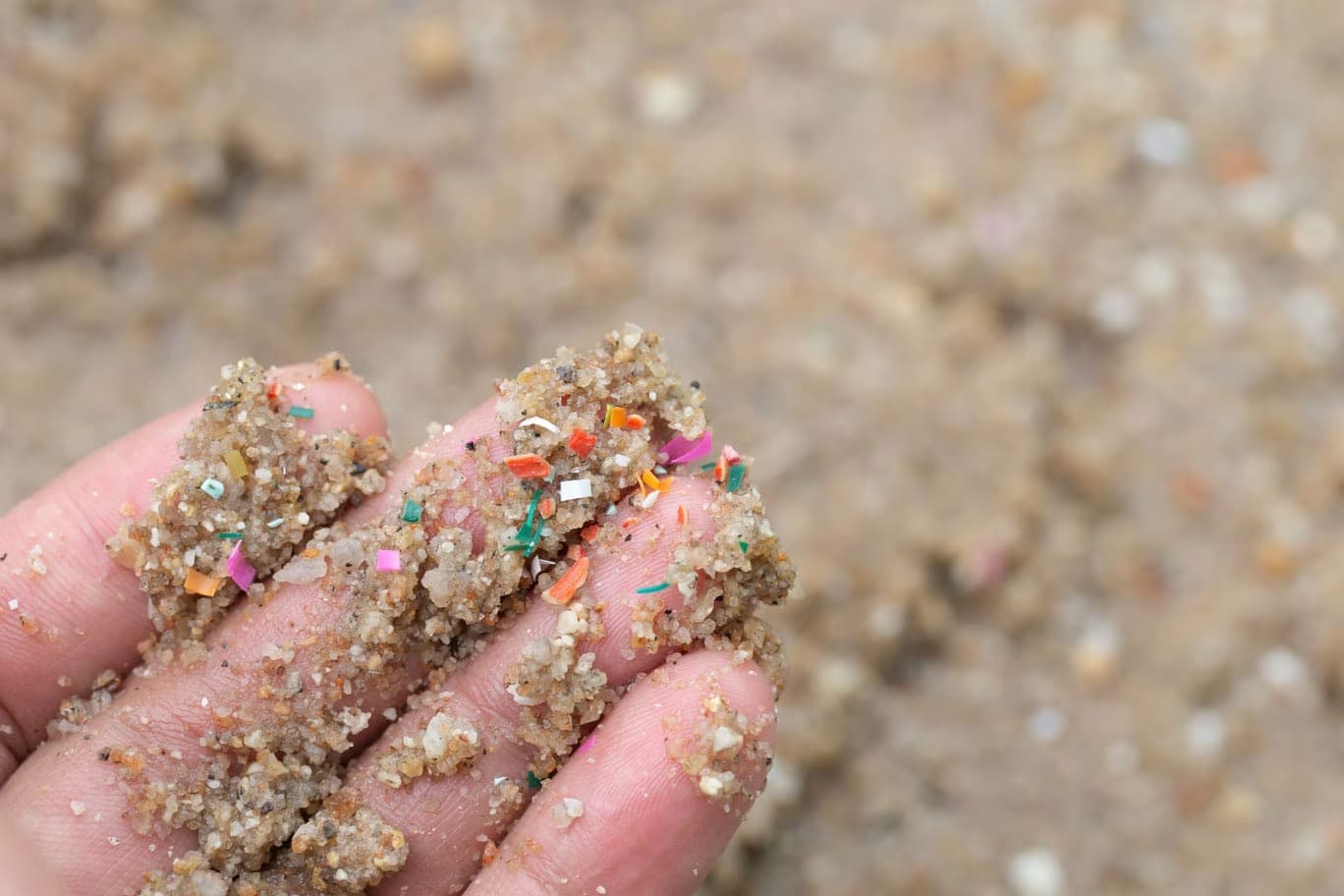
The Bigger Picture
Individual actions, while important, aren't enough. Laboratory studies suggest exposure to nano- and microplastics can lead to inflammation, oxidative stress, and damage to cells. Microplastics can carry toxic chemicals, pathogens, heavy metals, and bacteria, making them a complex health threat.
The scientific community agrees that addressing microplastic pollution requires coordinated global action. This means stronger regulations on plastic production, better waste management systems, and investment in truly biodegradable alternatives. Until comprehensive solutions emerge, awareness and mindful consumption remain our best defense against this invisible threat to human health.
Sources:
Stanford Medicine: Microplastics and our health: What the science says
BBC: How do the microplastics in our bodies affect our health?
Love great food and exclusive perks? Sign up as a Savor of Life member today and enjoy FREE FOOD with your main dish! Don't miss out—join now!
👉 Claim here: Savor of Life Membership Offer
Planning an event? Let Savor of Life bring the flavors to you! From social gatherings to large celebrations, our catering services offer delicious, high-quality meals tailored to your needs.
📅 Book now: Savor of Life Catering
Ready to transform your wellness with specially made meals? Sign up for our Savor Transform 10-Day Challenge and enjoy exclusive perks, special offers, and unforgettable meals!
👉 Join now: Savor Transform